Key Points
- Huon Aquaculture has officially broken ground on an AUD 122 million (USD 82.7 million, EUR 75 million) recirculating aquaculture system (RAS) facility at its existing Whale Point operation in Tasmania.
- Backed by parent company JBS, the Whale Point 2 expansion will double the production capacity of the facility and form part of a broader AUD 280 million investment strategy in modern farming technology.
- The state-of-the-art RAS facility is engineered to recirculate 99 per cent of its water, with organic waste recycled to produce compost for local agricultural enterprises.
- According to JBS Global CEO Wesley Batista Filho, the project is central to Huon’s “longer on land” strategy, which aims to reduce the duration salmon spend in marine environments and increase land-based rearing stages.
- JBS Australia CEO Brent Eastwood confirmed that the development recently secured environmental protection agency and local government approvals, projecting completion and full operation by mid-2029.
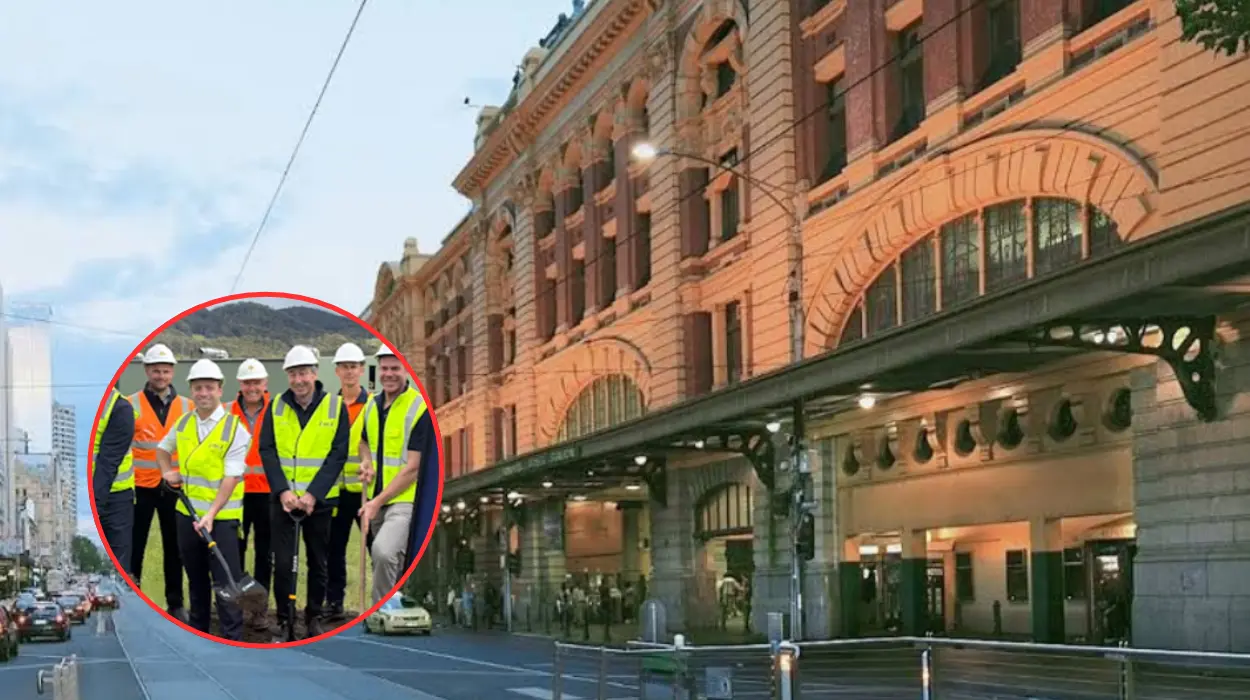
Hobart (Australin News Today) November 16, 2026 — Huon Aquaculture has commenced construction on a landmark AUD 122 million recirculating aquaculture system (RAS) facility at its Whale Point site in Tasmania, marking one of the largest private capital investments in the region. As reported by feed and aquaculture industry correspondents, the expansion is designed to double the facility’s production output whilst advancing sustainable land-based salmon farming. Parent company JBS highlighted that the project aligns with corporate commitments to environmental circularity and technological modernization across Australian aquaculture operations.
- Key Points
- What Are the Core Technical Features of the Whale Point 2 Expansion?
- Why Is Huon Aquaculture Transitioning Toward Land-Based Rearing Systems?
- How Will the Construction and Operation Impact Local Employment and Regional Approvals?
- Background of Huon Aquaculture and JBS Investment in Tasmania
- How Could This Expansion Affect Salmon Producers, Local Regulators, and Tasmanian Communities?
What Are the Core Technical Features of the Whale Point 2 Expansion?
According to corporate announcements from JBS and Huon Aquaculture, the Whale Point 2 facility will utilize advanced closed-containment technology to recirculate 99 per cent of its water usage and repurpose organic by-products into agricultural compost.
The newly initiated RAS facility is engineered to optimize the early growth stages of Atlantic salmon under tightly controlled environmental parameters. By recycling nearly all of its water, the facility minimizes freshwater extraction whilst maintaining strict biosecurity standards. Furthermore, organic waste generated during operations will be processed to create nutrient-rich compost, supporting local farming enterprises in line with a closed-loop economic model.
The investment forms a key component of Huon’s wider AUD 280 million capital expenditure strategy dedicated to modernizing farming infrastructure. This broader portfolio encompasses upgraded marine farming equipment, processing plant enhancements, and a separate RAS facility established to house broodstock in Lonnavale, Tasmania.
Why Is Huon Aquaculture Transitioning Toward Land-Based Rearing Systems?
As stated by JBS Global CEO Wesley Batista Filho, the multimillion-dollar expansion underpins Huon’s industry-leading “longer on land” strategy aimed at mitigating biological risks in marine leases.
The strategic pivot towards land-based RAS technology is intended to shorten the timeframe juvenile salmon spend in open-ocean pens while extending their developmental phase in secure, land-based freshwater environments. Commenting on the strategic vision, JBS Global CEO Wesley Batista Filho stated in a release: “The Whale Point 2 expansion is pivotal to Huon’s industry-leading, longer on land strategy which reduces the time fish spend in the ocean and increases the time they spend on land.” Batista Filho added: “The salmon industry is already an economic powerhouse for Tasmania, and with the right regulatory support, there is significant potential to grow its contribution even further.”
Huon’s operational footprint at Whale Point dates back to its establishment of Australia’s first salmon nursery following initial proposals in 2017. Subsequent investments included the Whale Point Nursery Expansion announced in 2024 and equipment contracts secured in 2025, paving the way for the current large-scale construction phase.
How Will the Construction and Operation Impact Local Employment and Regional Approvals?
JBS Australia CEO Brent Eastwood confirmed that the project has cleared all local government and environmental protection agency reviews, and will generate substantial employment during construction and ongoing operations.
Securing regulatory clearance represents a crucial milestone for the development, which moves forward amidst ongoing public interest in Tasmanian aquaculture management. Addressing the local economic impact, JBS Australia CEO Brent Eastwood stated that the project will support regional employment by engaging approximately 50 to 75 personnel during peak construction periods. Once construction concludes and the facility becomes fully operational by mid-2029, it will establish 10 new permanent operational positions within Huon Aquaculture.
Background of Huon Aquaculture and JBS Investment in Tasmania
Huon Aquaculture operates as one of Tasmania’s premier salmon producers, managing multiple freshwater hatcheries and marine farming leases across coastal waters. Following its acquisition by Brazilian protein giant JBS in late 2021, the company has integrated into JBS’s global portfolio—marking JBS’s primary venture into the international aquaculture sector.
Over recent years, the Tasmanian aquaculture sector has navigated complex regulatory evaluations, environmental scrutiny regarding marine lease density, and biological challenges such as gill health and water temperature variations. In response, major producers have increasingly directed capital toward closed-containment RAS technologies on land to enhance biological control, optimize fish growth rates, and reduce environmental interactions in marine ecosystems.
How Could This Expansion Affect Salmon Producers, Local Regulators, and Tasmanian Communities?
The successful execution and mid-2029 commissioning of the Whale Point 2 facility carry notable implications across the regional aquaculture landscape:
- Tasmanian Regional Economy and Employment: Local contractors, engineering firms, and agricultural supply chains stand to benefit from multi-year construction spending and ongoing organic waste-to-compost partnerships across the Huon Valley.
- Environmental Management and Regulators: The expanded use of 99 per cent water recirculation technology sets a technical benchmark for land-based aquaculture compliance, offering state environmental regulators a model for low-discharge, high-biosecurity fish rearing.
- Commercial Salmon Producers: By shifting a greater proportion of the salmon lifecycle onto land, Huon Aquaculture aims to achieve greater predictability in harvest volumes and resilience against ocean-based climate and disease pressures, potentially influencing long-term industry standards across Australia.