Key Points
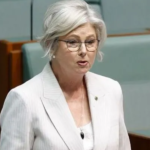
- Independent Federal Member of Parliament Helen Haines, 65, has seen her medical condition upgraded from critical to serious but stable at the Alfred Hospital in Melbourne five days after an alleged car attack.
- Dr Haines required surgical amputation of both her legs following the incident outside her electorate office in Wangaratta, north-east Victoria.
- The alleged driver, 43-year-old Brendan Nugent of Tarrawingee, has been remanded in custody after appearing in court on three initial charges: dangerous driving causing serious injury, intentionally causing serious injury, and causing harm to a Commonwealth public official.
- Victoria Police, supported by the Australian Federal Police, have confirmed the attack is being investigated as a targeted incident, with potential further charges—including attempted murder—under consideration while investigators examine potential factors such as mental health, medication, or drug use.
- The family of the suspect released a statement confirming they have been long-time personal friends of Dr Haines for over two decades, describing the occurrence as devastating and unfathomable.
Wangaratta (Australian News Today) October 24, 2026 – Executive Summary: Medical authorities at the Alfred Hospital in Melbourne have confirmed that independent Federal Member of Parliament Dr Helen Haines is now in a serious but stable condition. The 65-year-old politician underwent double leg amputations following an alleged deliberate vehicle attack outside her electorate office in Wangaratta on Monday. Police have charged 43-year-old Brendan Nugent in connection with the incident while joint investigations into the precise motive continue.
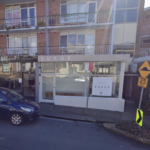
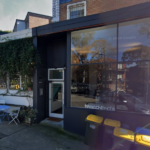
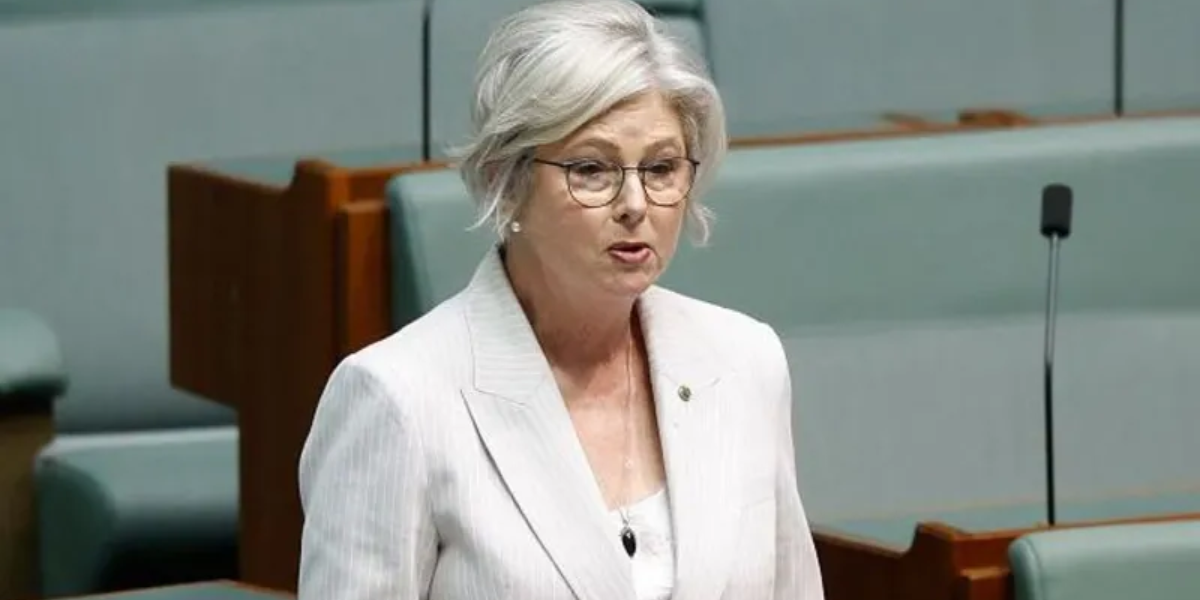
As reported by news correspondents covering the official medical updates from the Alfred Hospital in Melbourne, health officials confirmed on Saturday morning that the medical status of Dr Helen Haines, 65, has been officially upgraded to serious but stable. This marks the first recorded medical improvement for the Federal Member for Indi since she was emergency airlifted to the specialist trauma unit on Monday afternoon following a severe incident outside her electorate office in Murphy Street, Wangaratta, situated in north-east Victoria.
The independent Member of Parliament suffered severe physical trauma when a four-wheel-drive vehicle allegedly driven by 43-year-old Brendan Nugent struck her outside the premises. As detailed in reports by journalist Ethan Davies and Matt Jackson of the Live News Network, witnesses told police investigators that the vehicle rammed Dr Haines directly, pinning her against her parked car, before reversing and striking her a second time. Dr Haines was initially treated at Wangaratta Hospital before being airlifted to Melbourne, where surgeons were forced to amputate her left leg shortly after arrival and subsequently her right leg due to the catastrophic extent of her lower-limb injuries.
Speaking to representatives of the press outside the Alfred Hospital, the MP’s husband, Phil Haines, expressed the family’s gratitude for her survival amidst the tragedy. As reported by journalists at WION News, Mr Haines stated that “the good news in all this is Helen is alive and she’s stable,” noting that while the “horrendous incident” caused his wife life-altering physical trauma, “both her heart and her mind are in good shape”. Mr Haines further described his wife as a determined individual and a compassionate public servant who has consistently maintained strong resilience throughout her life and career.
Following the arrest of Brendan Nugent moments after the incident, law enforcement authorities processed three preliminary criminal charges against the Tarrawingee resident: dangerous driving causing serious injury, intentionally causing serious injury, and causing harm to a Commonwealth public official. As reported by The Guardian, Nugent subsequently appeared before the Wangaratta Magistrates’ Court, where he did not apply for bail and was not required to enter a formal plea. He has been remanded in custody to reappear in court in February.
During the initial court proceedings, defense lawyer Chirag Patel informed Magistrate Allison Vaughan that his client suffered from “mental health concerns,” along with a concussion and idiopathic transverse myelitis—a rare neurological condition affecting the spinal cord. As reported by IBTimes UK, Victoria Police have confirmed that the investigation remains active and ongoing with direct assistance from the Australian Federal Police (AFP). Detectives have indicated that further charges, including attempted murder, remain under active consideration as investigators analyze whether drug use, prescription medication, or underlying neurological conditions played a role in the collision.
In a public statement released to media outlets, the family of Brendan Nugent expressed profound shock at the incident. As reported by The Guardian, the Nugent family stated that they have been long-time personal friends with Dr Helen Haines for more than 20 years, characterizing the event as “devastating and unfathomable” while confirming their full cooperation with the Victoria Police homicide and major crime detectives. Police officials have maintained that while the attack is alleged to have been targeted towards the Member of Parliament, an explicit motive has not yet been established.
The incident has drawn widespread condemnation across the Australian political spectrum. Shortly after the alleged attack, Australian Prime Minister Anthony Albanese addressed the national broadcaster, ABC television, reflecting on the broader cultural and political climate across the nation. As reported by ABC journalists, Prime Minister Albanese observed that there has been a noticeable “rise in temperature” in public life, adding that contemporary public engagement features “too much shouting, not enough discourse”.
What Is the Background of This Particular Development?
Dr Helen Haines first entered the Australian House of Representatives as the Member for Indi in 2019, succeeding independent MP Cathy McGowan. Prior to her parliamentary career, Dr Haines worked extensively for decades as a registered nurse, midwife, and rural health researcher in regional Victoria. Throughout her tenure in federal parliament, she established a prominent political profile by advocating for integrity in politics, regional healthcare investment, and stronger legislative action on climate change.
Her electorate of Indi, centered in north-east Victoria and encompassing towns such as Wangaratta, Albury-Wodonga, and Benalla, has historically served as a benchmark for independent political movements in regional Australia. The community context of the area relies heavily on close inter-personal connections between residents and local political representatives.
Prior to the events of October 19, 2026, police and security intelligence agencies had not identified any specific security threats or intelligence warnings directing danger toward Dr Haines or her electorate staff. The suspect, Brendan Nugent, was known locally in forestry and environmental campaign circles. According to historical records noted by local community groups, Nugent had previously expressed public support for Dr Haines’ stance on climate change in 2019. Victoria Police Chief Commissioner Shane Patton and counter-terrorism authorities noted following the initial arrest that the event appeared to be an isolated incident without broader network connections, though investigators continue to audit all historical correspondence and interactions.
How Will This Development Affect the Australian Political Landscape and Regional Electorates?
This development is expected to have far-reaching operational, security, and cultural consequences for public officials, electorate staff, and regional communities across Australia.
- Impact on Electorate Office Security Protocols: Federal and state parliamentary authorities are likely to conduct an immediate review of security infrastructure at electorate offices, particularly those situated in regional and rural areas. Unlike high-security government precincts in capital cities, regional electorate offices often prioritize open-door accessibility for constituents. The vulnerability demonstrated by an attack directly outside a local office will likely lead to heightened security presence, physical barriers, and stricter access controls for visiting members of the public.
- Shift in Public Representative Accessibility: Australian politicians, especially independent and regional representatives, have traditionally prided themselves on maintaining direct, unmediated contact with their local communities. The severe nature of this targeted attack may force a shift toward more cautious engagement strategies, altering how politicians conduct mobile electorate visits, street stalls, and public town halls.
- Legislative and Integrity Advocacy Dynamics: As an influential crossbench MP, Dr Haines has been a key legislative voice on parliamentary integrity, rural health reform, and regional infrastructure funding. While her recovery will require an extended absence from active parliamentary duties, her office continue to manage constituent matters. Her ongoing rehabilitation may also prompt increased national debate regarding the personal safety, well-being, and workplace protection measures provided to parliamentarians and public officers across Australia.
- Broader Political Discourse: The incident has intensified existing national conversations regarding the safety of public figures amidst an increasingly polarized political environment. As political leaders re-examine the tone of public debate, parliamentarians across all parties are likely to face increased pressure to temper aggressive rhetoric and implement enhanced protections for Commonwealth officers facing elevated risks.