Key Points
- Independent MP Helen Haines, 65, remains in a critical but stable condition in a Melbourne hospital following a vehicle attack outside her office.
- Surgeons were forced to amputate one of Dr Haines’ legs and continue efforts to save her other leg.
- The suspect, 43-year-old Brendan Nugent of Tarrawingee, was apprehended at the scene by a civilian passerby and faces multiple charges.
- Investigators from Victoria Police, the Australian Federal Police, ASIO, and the Joint Counter Terrorism Team are investigating the incident as a targeted act.
- Political leaders across Australia have condemned the attack, highlighting growing concerns over safety and increasing hostility towards public representatives.
Australian News Today (ANT) October 20, 2026 – Executive Summary: Australian Federal Member of Parliament Helen Haines remains in a critical but stable condition after being struck twice by a vehicle outside her electorate office in Wangaratta, regional Victoria. Police allege that the incident was a targeted attack in which a 43-year-old driver performed a U-turn before ramming the independent MP twice. The suspect, Brendan Nugent, was apprehended by a local bystander and faces multiple charges. The attack has sent shockwaves through Australia’s political landscape, prompting calls for increased security measures for elected officials.
- Key Points
- What Happened During the Incident in Wangaratta?
- What is the Medical Condition of Dr Helen Haines?
- Who is the Suspect and What Charges Does He Face?
- How Have Australian Political Leaders Reacted?
- Background of the Particular Development
- Prediction: How This Development Can Affect Australian Politicians and Public Engagement
What Happened During the Incident in Wangaratta?
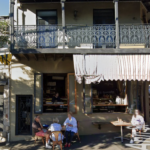
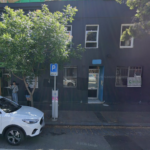
At approximately 15:35 AEST (04:35 GMT) on Monday afternoon, Independent Member of Parliament Helen Haines was standing near the rear of her vehicle outside her electorate office on Murphy Street in Wangaratta, roughly 240 kilometres north-east of Melbourne. According to authorities and eyewitnesses, a white Toyota LandCruiser SUV executed a U-turn across the street before driving directly towards Dr Haines.
As reported by national broadcaster ABC, Australian Home Affairs Minister Tony Burke stated: “What witnesses have described is the driver doing a U-turn to get into the car park and to ram Helen against a vehicle, then to reverse and do it a second time.”
Local business owner Ricky Jefferies, who operates a barber shop adjacent to Dr Haines’ office, immediately intervened to detain the driver. As reported by Guardian Australia, Jefferies said: “I had no choice but to take him out of the car because it was the right and safest thing to do.” Victoria Police officers arrived on the scene within eight seconds of receiving emergency calls, arresting the suspect and locating a knife inside his vehicle.
What is the Medical Condition of Dr Helen Haines?
Dr Haines, 65, who has represented the regional Victorian electorate of Indi since 2019, suffered life-threatening injuries during the collision. Emergency services stabilized her at the scene before airlifting her to The Alfred Hospital in Melbourne.
As reported by Guardian Australia, medical teams performed emergency surgery, during which Dr Haines lost one of her legs, with surgeons working to save her remaining leg. Hospital officials confirmed that she remains in an intensive care unit in a critical but stable condition.
Who is the Suspect and What Charges Does He Face?
Police identified the suspect as 43-year-old Brendan Nugent from the nearby rural community of Tarrawingee. Victoria Police confirmed that Nugent was formally charged with intentionally causing serious injury, reckless conduct endangering life, and dangerous driving causing serious injury.
As reported by ABC, Nugent had previously engaged in local environmental campaigning, including forestry conservation groups. In a statement released on Tuesday, Nugent’s parents expressed shock at the incident, noting that their family had known Dr Haines for over two decades. As reported by Guardian Australia, the suspect’s family stated: “What happened to her yesterday is devastating and unfathomable. Helen Haines is a deeply respected, valued and much loved member of our local community.”
Victoria Police confirmed that search warrants were executed at Nugent’s Great Alpine Road property on Tuesday morning. Authorities noted that while the incident appears isolated, the Joint Counter Terrorism Team—comprising Victoria Police, the Australian Federal Police (AFP), and the Australian Security Intelligence Organisation (ASIO)—is actively investigating.
How Have Australian Political Leaders Reacted?
Prime Minister Anthony Albanese addressed the media to condemn the violence, affirming that initial assessments indicated the act was intentional. As reported by ABC, Albanese stated: “This wasn’t an accident. There was a deliberate act. All of our thoughts are with Helen, her family, her friends, her team and her community at this extremely difficult time. We are praying for her full recovery.”
Politicians across the parliamentary spectrum echoed these sentiments:
- As reported by news outlets across Australia, Opposition Leader Angus Taylor (Liberal Party) expressed that he was “deeply saddened and distressed” by the event, adding that the Australian public would be “angry and appalled.”
- As reported by local media, Senator Matt Canavan (The Nationals) offered his sympathy, stating his heart went out to Dr Haines and her family “upon the news of this shocking attack.”
- As reported by national networks, Greens Leader Senator David Shoebridge described himself as “horrified” by the incident, adding: “Helen is an extraordinary human being and brings people together like few others.”
- As reported by national press, One Nation Leader Senator Pauline Hanson remarked that violence against elected officials is “never acceptable,” adding that politicians and staff “must be able to serve their communities without fearing for their safety.”
Background of the Particular Development
Physical violence against politicians is historically rare in Australia, where members of parliament often maintain open, highly accessible electorate offices without permanent security details. However, security agencies have repeatedly raised concerns regarding an increasingly volatile political environment.
Last year, a formal threat assessment conducted by ASIO warned that the risk of targeted political violence in the country was “flashing red.” Concurrently, the Australian Federal Police documented a steady increase in threats, harassment, and abusive communications directed towards federal politicians. In response to the attack, several MPs disclosed adopting heightened precautions in public, such as locking office doors, altering daily routes, and wearing disguises to mitigate safety risks. Prime Minister Albanese also highlighted the role of online hostility, noting that online commentary frequently reaches levels of hostility rarely seen in person.
Prediction: How This Development Can Affect Australian Politicians and Public Engagement
This attack is likely to serve as a turning point for how security is conducted across Australia’s political system, directly impacting elected representatives, parliamentary staff, and regional constituents.
- Mandatory Security Protocols: Federal and state authorities are likely to mandate enhanced physical security infrastructure for regional electorate offices. This may include bullet-resistant glass, controlled access entries, and dedicated security personnel, ending the tradition of completely open access offices.
- Changes in Parliamentary Accessibility: Australia’s political tradition relies heavily on personal interactions between representatives and their constituents. The introduction of strict security buffers risks creating distance between politicians and local communities, particularly in rural electorates like Indi.
- Legislative and Online Oversight: The event is expected to accelerate legislative proposals aimed at curbing online hate speech and harassment directed at public figures, as authorities seek to address factors contributing to political radicalisation and targeted violence.