Key Points
- Incident Overview: Independent Federal Member for Indi, Helen Haines, was left critically injured and underwent surgery resulting in the amputation of one leg after an alleged vehicle attack outside her electorate office in Wangaratta.
- Suspect Charged: A 43-year-old local resident, Brendan Nugent, was arrested at the scene following intervention by a local bystander and has been charged with three offences, including dangerous driving causing serious injury and intentionally causing serious injury.
- National Reaction: Prime Minister Anthony Albanese declared that the incident was a “deliberate act” rather than an accident, while security agencies and a dedicated counter-terrorism team were activated to examine the circumstances.
- Broader Implications: Commentators and lawmakers have highlighted the escalating viciousness of public political discourse, pointing to unpunished parliamentary abuse, online personal harassment, and threats directed at elected officials.
- Calls for Action: Political observers argue that parliamentary introspection must yield concrete countermeasures against political hate speech and online vitriol, rather than continuing a pattern of institutional inertia.
Australian News Today (ANT) October 20, 2026 – The Australian political establishment has faced intense scrutiny regarding the tenor of national public discourse following an alleged attack outside an electorate office in Wangaratta. As reported by Paul Daley of The Guardian, the vituperative tenor of public debate, both online and verbal, has drawn comparisons to international trends in political violence following the alleged attack on Independent MP Helen Haines. The incident has prompted widespread expressions of concern from across the political spectrum, alongside calls for parliamentary leaders to address systemic toxicity in the national discourse.
How Has the Toxic Nature of Parliamentary and Online Discourse Developed?
The surrounding commentary reflects growing frustration with the absence of structural accountability for aggressive rhetoric within political institutions. As noted by Paul Daley of The Guardian, elected representatives frequently hurl abuse across parliamentary chambers without facing substantive consequences beyond brief suspensions. Furthermore, political operatives and online actors increasingly pursue opponents with cruel and personal attacks under the guise of political strategy or humour.
Journalistic coverage of political conflict often frame personal targeting as part of the routine friction of public life. As highlighted by Daley, traditional media reporting has frequently juxtaposed the distress of targeted politicians against calls for public figures to harden themselves against hostility, treating aggressive personal invective as an accepted feature of the political landscape. Security authorities have repeatedly issued warnings regarding the expanding volume of gendered and personal threats directed at parliamentarians and their staff.
What Specific Events Triggered the Current Calls for Legislative and Cultural Change?
Recent events in the Australian Parliament have provided stark illustrations of the rising temperature in political debate. As reported by Paul Daley of The Guardian, the preceding weeks contained verbal evocations of public execution within the House of Representatives, as well as references to murder fantasies delivered during major political conferences. These instances were subsequently amplified across digital platforms, further contorting political debate into direct threats against public officials.
While federal authorities have previously demonstrated a willingness to regulate major technology platforms to protect minors, questions remain regarding the willingness of political institutions to curb hate speech and online harassment directed at public figures. Commentators emphasize that political hate and violent ideations persist across different ends of the political spectrum, necessitating unified regulatory and institutional responses.
Background of the Particular Development
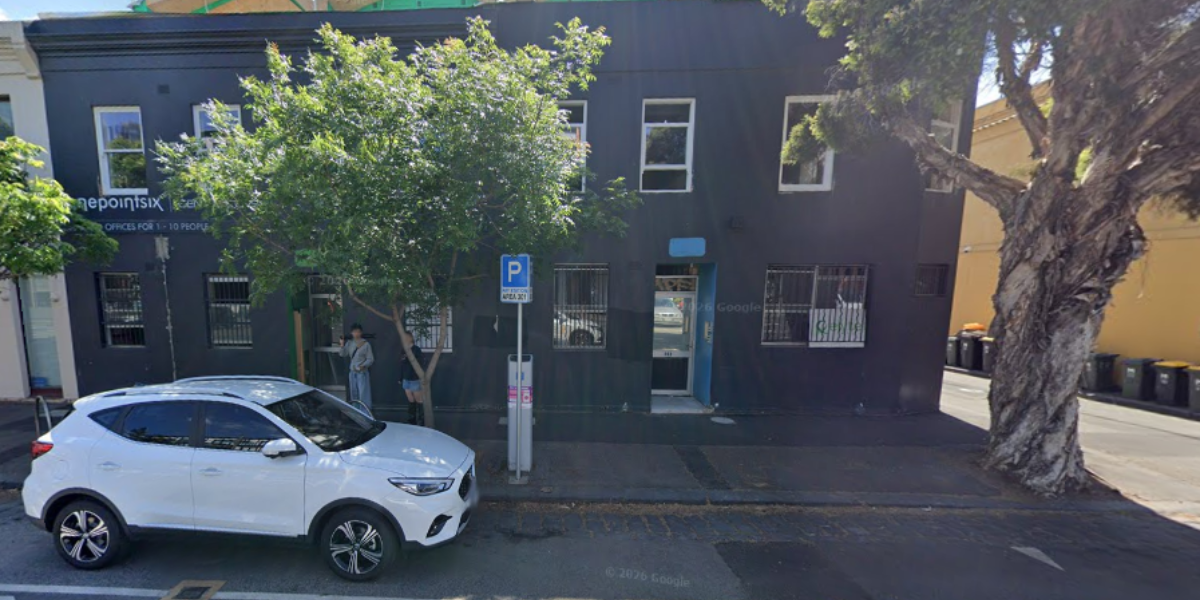
The incident involving Member for Indi Helen Haines occurred outside her regional electorate office in Wangaratta, Victoria.
Chronology of the Event
- The Incident: On the afternoon of October 19, 2026, a four-wheel-drive vehicle allegedly executed a U-turn and struck Haines while she was near her vehicle outside her office.
- Bystander Intervention: A local business owner, barber Ricky Jefferies, intervened at the scene to apprehend the driver until Victoria Police arrived.
- Emergency Medical Response: Haines sustained critical injuries and was transported to Wangaratta Hospital before being airlifted to the Alfred Hospital in Melbourne, where emergency surgery resulted in the amputation of one leg.
- Law Enforcement Action: Police arrested 43-year-old Tarrawingee resident Brendan Nugent at the scene and seized a knife from inside the vehicle. Nugent was subsequently charged with dangerous driving causing serious injury, intentionally causing serious injury, and reckless conduct endangering life.
- Government Reaction: Australian Prime Minister Anthony Albanese confirmed that the national counter-terrorism team was engaged in investigating the incident, stating publicly that the collision appeared to be a deliberate act.
Predictions: How This Development Can Affect the Australian Political Class and Public
The developments following the alleged attack on Helen Haines are projected to have structural impacts on the Australian political landscape, parliamentary procedures, and public engagement:
- Heightened Security Protocols for Parliamentarians: Federal and state law enforcement agencies are expected to mandate stricter security measures for electorate offices, particularly those located in regional areas. This may alter the traditionally accessible, open-door style of constituency representation in Australian politics.
- Legislative Push for Digital and Speech Regulations: The incident is likely to accelerate bipartisan discussions around regulating online hate speech, targeted harassment, and bot accounts on major social media platforms. Lawmakers may face increased pressure to introduce enforceable standards for public digital forums.
- Internal Parliamentary Reform: Standing orders and codes of conduct within parliament may undergo revision to enforce stricter penalties for personal abuse, unparliamentary language, and incitement during debates.
- Impact on Public Participation and Diversity: The escalation of hostility toward politicians—especially independent and female members—may deter community figures and healthcare professionals from seeking public office, potentially altering candidate recruitment and democratic representation.