

Key Points
- Sydney-based, Nasdaq-listed technology company IREN has signed an agreement to purchase the former St John’s Lutheran School in Eudunda, South Australia—a 121-year-old school that closed in December 2025 following dwindling enrolment numbers—ahead of state government approval for its proposed $10 billion, 800-megawatt data centre at nearby Bundey.
- IREN plans to convert the shuttered school site across two buildings and art classrooms into 26 studio apartments to house management and construction staff, while also retaining the playground and considering buying houses in nearby towns for employees.
- The proposed 800MW Bundey data centre—located roughly 165 kilometres north-east of Adelaide in a locality that has had no residents since 2021 and sits more than 5 kilometres from the nearest residence—is projected by IREN to create 500 jobs during construction and more than 200 ongoing operational roles on site.
- If the Bundey project receives approval, IREN has stated it will hire local staff, contract local businesses where possible, and invest $250,000 through its Community Grants Program.
- Speaking to The Australian Financial Review (AFR), the president of the Eudunda Show and former St John’s Lutheran student stated that local opposition remains strong, saying: “I would say more than half the people in the region are against it. I don’t think there’s a lot of people in favour of it.”
- IREN has also proposed a separate 900MW data centre near Wagga Wagga in regional New South Wales with a connection to Transgrid’s local substation, and both projects remain unapproved by local and state authorities.
- Across South Australia, the state government is considering around 30 data centre proposals dependent on electricity grid upgrades, financing, and securing computing chips from Nvidia, with Premier Peter Malinauskas telling the AFR that data centres will only be accepted “on our terms”—requiring new energy generation and compliance with the strictest environmental standards.
Eudunda (Australian News Today) November 24, 2026 – Technology company IREN has purchased the former 121-year-old St John’s Lutheran School in the South Australian town of Eudunda to convert into accommodation for staff linked to its proposed $10 billion, 800-megawatt data centre in nearby Bundey. Although the Bundey project has not yet received approval from the South Australian government, the Sydney-based company plans to redevelop two school buildings and art classrooms into 26 studio apartments for management personnel while projecting 500 construction jobs and more than 200 permanent roles. The acquisition comes amid local pushback in Eudunda—where a community leader told The Australian Financial Review that more than half of residents oppose the development—and as South Australian Premier Peter Malinauskas insists any data centre approvals must meet strict environmental and new-generation energy terms.
- Key Points
- How Does IREN Plan to Redevelop St John’s Lutheran School in Eudunda?
- What Are the Details of IREN’s Proposed $10 Billion Bundey Data Centre?
- Why Are Some Eudunda Residents Opposed to the Development?
- What Conditions Has the South Australian Government Set for Data Centres?
- Background of the Development
- Prediction: How This Development Could Affect Eudunda Residents, State Regulators, and Tech Investors
How Does IREN Plan to Redevelop St John’s Lutheran School in Eudunda?
IREN intends to convert two buildings and art classrooms at the shuttered 121-year-old St John’s Lutheran School into 26 studio apartments for management and project staff while considering additional housing purchases in nearby towns.
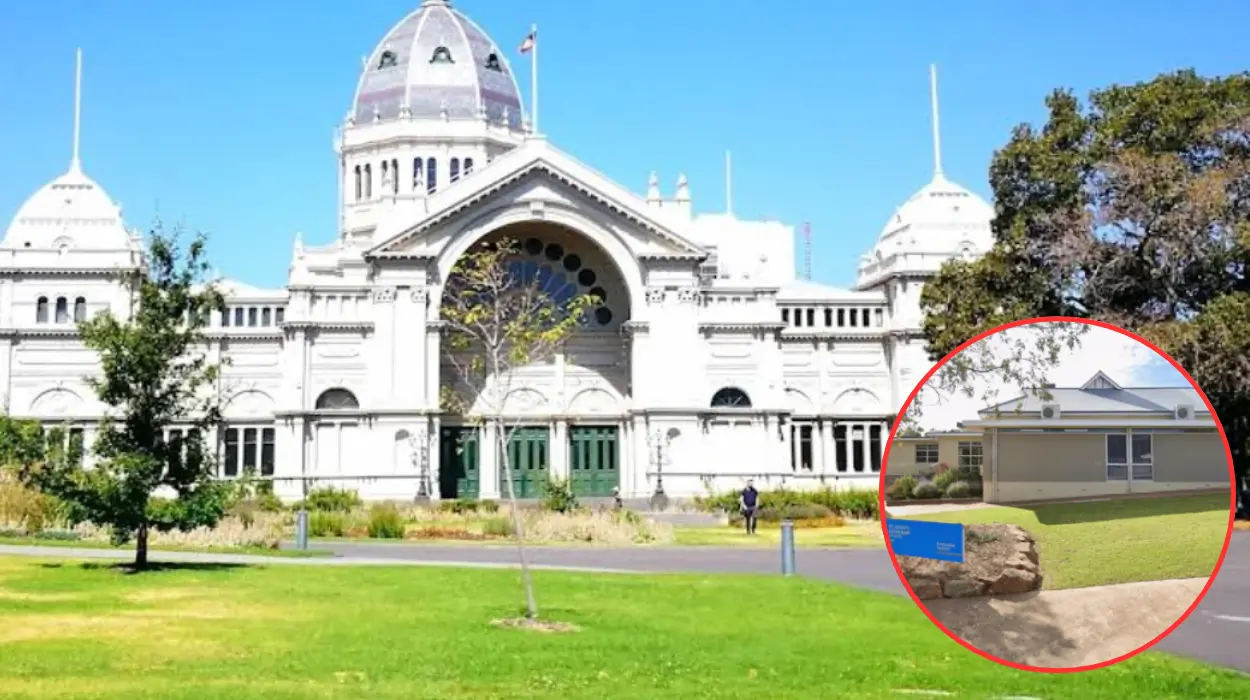
As reported by The Australian Financial Review (AFR), Sydney-based technology firm IREN has acquired St John’s Lutheran School in Eudunda, a small town close to Bundey in regional South Australia. The school closed in December 2025 after 121 years of operation following dwindling enrolment numbers—a decision its school board previously described as “deeply difficult and emotional”.
Under IREN’s redevelopment plans, the former school will be converted into 26 studio apartments across two existing buildings and art classrooms to house management staff overseeing the build. As noted in broader reporting by KuCoin News and Crypto Briefing, IREN also intends to retain the school’s playground to help ease local housing pressures during construction, and the company has stated it is considering purchasing residential houses in neighbouring towns for data centre employees as well.
What Are the Details of IREN’s Proposed $10 Billion Bundey Data Centre?
The proposed 800-megawatt Bundey facility—estimated at $10 billion and situated more than 5 kilometres from the nearest home—would generate 500 construction jobs, over 200 ongoing operational roles, and $250,000 in community grants if approved.
Proceeding with the school purchase despite the absence of South Australian government sign-off demonstrates IREN’s confidence that its planned 800-megawatt data centre at Bundey will advance. Bundey, located roughly 165 kilometres north-east of Adelaide, has had no residents since 2021, and IREN has stated that the nearest residence will sit more than 5 kilometres away from the proposed campus.
If the South Australian government grants approval for the $10 billion project, IREN expects the development to create 500 jobs during the construction phase and more than 200 ongoing operational positions on site. The company has further committed to hiring local staff and contracting local businesses wherever possible, alongside investing $250,000 through its Community Grants Program.
Alongside its South Australian proposal, IREN has also put forward plans for a separate 900-megawatt data centre near Wagga Wagga in regional New South Wales, featuring a connection to Transgrid’s local substation. As of late November 2026, both the Bundey and Wagga Wagga data centre projects remain unapproved by government authorities.
Why Are Some Eudunda Residents Opposed to the Development?
The president of the Eudunda Show and former St John’s Lutheran School student told The Australian Financial Review that more than half of people in the region oppose the project.
Despite IREN’s employment pledges and community grant commitments, acquiring the former local school has not reassured all residents in Eudunda. Speaking to The Australian Financial Review (AFR), the president of the Eudunda Show—who is also a former student of St John’s Lutheran School—said opposition across the district outweighs support.
As reported by The Australian Financial Review, the Eudunda Show president stated: “I would say more than half the people in the region are against it. I don’t think there’s a lot of people in favour of it.”
What Conditions Has the South Australian Government Set for Data Centres?
With roughly 30 data centre proposals under consideration in South Australia, Premier Peter Malinauskas told the AFR that projects will only be approved “on our terms”—requiring new energy generation and strict environmental compliance.
Across South Australia, state authorities are currently assessing around 30 data centre proposals, with final approvals dependent on electricity network connection upgrades, project financing, and the ability of developers to secure specialised computing chips from Nvidia.
Outlining the state government’s position in remarks reported by The Australian Financial Review, South Australian Premier Peter Malinauskas emphasised that energy supply and environmental rules remain non-negotiable prerequisites. Premier Malinauskas stated: “The only circumstances that we want data centres in South Australia is on our terms, to make sure they’re bringing new generation, new energy and they’re doing it in a way that complies with the strictest of environmental standards.”
Background of the Development
Regional South Australia and New South Wales have increasingly attracted large-scale artificial intelligence and cloud-computing infrastructure proposals because rural sites near high-voltage transmission substations offer large land parcels and grid access outside congested metropolitan areas. Bundey, a sparsely populated rural locality north-east of Adelaide that has recorded zero permanent residents since 2021, sits adjacent to existing high-voltage electricity transmission infrastructure, making it a focal point for IREN’s 800-megawatt campus proposal.
At the same time, the rapid surge in multi-hundred-megawatt data centre applications—nearly 30 in South Australia alone—has prompted federal and state leaders, including Premier Peter Malinauskas, to scrutinise power-grid capacity, new electricity generation requirements, and local community impacts before granting planning and connection approvals. In Eudunda, the closure of St John’s Lutheran School in December 2025 after 121 years left a prominent local property vacant just months before IREN moved to secure worker accommodation ahead of potential construction.
Prediction: How This Development Could Affect Eudunda Residents, State Regulators, and Tech Investors
For residents in Eudunda and the wider Mid North region of South Australia, state energy planners, and infrastructure investors, IREN’s early property acquisition raises the stakes ahead of formal regulatory decisions.
- Eudunda residents and local businesses: Repurposing the shuttered St John’s Lutheran School into 26 studio apartments prevents a historic local site from sitting derelict and signals potential demand for local trades, hospitality, and services if Bundey is approved, though persistent community scepticism means IREN faces ongoing pressure to address local concerns over regional change and infrastructure strain.
- South Australian regulators and grid operators: With roughly 30 data centre proposals under review and Premier Peter Malinauskas insisting on new energy generation and strict environmental compliance, state officials and transmission planners will closely test whether IREN’s financing, grid connection arrangements, and Nvidia chip supply meet the government’s conditions before granting final approval.
- IREN and data centre developers: Committing capital to worker housing in Eudunda before securing regulatory sign-off illustrates how developers are racing to lock in regional logistics and accommodation early—a strategy that could accelerate construction if approved, or leave the company holding repurposed regional property assets if approvals are delayed or denied.