
Key Points
- Anticipated Interest Rate Hike: Financial markets are pricing in an 80 per cent probability that the Reserve Bank of Australia (RBA) will raise the cash rate to 4.85 per cent on Melbourne Cup Day, marking its highest level since the 2008 global financial crisis.
- Fraying Party Discipline: Growing caucus frustration, anonymous internal griping, and public backdowns following post-budget policy decisions have put severe pressure on the Albanese government’s internal unity.
- Tensions Between Leadership: Strain between Prime Minister Anthony Albanese and Treasurer Jim Chalmers has escalated over budget responsibilities and spending cuts ahead of the upcoming Mid-Year Economic and Fiscal Outlook (MYEFO).
- Prime Ministerial Absence: Albanese faces criticism from opposition lawmakers for attending the Commonwealth Heads of Government Meeting (CHOGM) in the Caribbean during a crucial economic week, leaving Chalmers to navigate domestic rate hike fallout.
- Focus on Short-Term Fiscal Restraint: Backbench Labor MPs are calling for stricter fiscal measures, including net expenditure reductions and means testing, to counteract short-term inflationary pressures.
Canberra (Australia News Today) October 31, 2026 – The Australian Federal Labor Government is bracing for severe political and economic repercussions as financial markets price in an imminent interest rate hike by the Reserve Bank of Australia on Melbourne Cup Day. With persistent inflation heightening financial pressure on households and businesses, internal caucus discipline within the government is rapidly deteriorating amidst post-budget policy adjustments and shifting fiscal strategies. The political strain is further compounded by Prime Minister Anthony Albanese’s scheduled departure for international summits, leaving Treasurer Jim Chalmers to address domestic economic fallout alone.
- Key Points
- Why Is the Anticipated Melbourne Cup Day Rate Rise Creating Political Strain for Labor?
- How Are Jim Chalmers and Anthony Albanese Managing Fiscal Responsibility Ahead of MYEFO?
- Why Is Prime Minister Anthony Albanese’s CHOGM Trip Attracting Criticism?
- Background of Reserve Bank Rate Decisions and Australian Inflation Trends
- Prediction: How Will This Economic Backlash Affect Household Budgets and Federal Labor’s Standing?
Why Is the Anticipated Melbourne Cup Day Rate Rise Creating Political Strain for Labor?
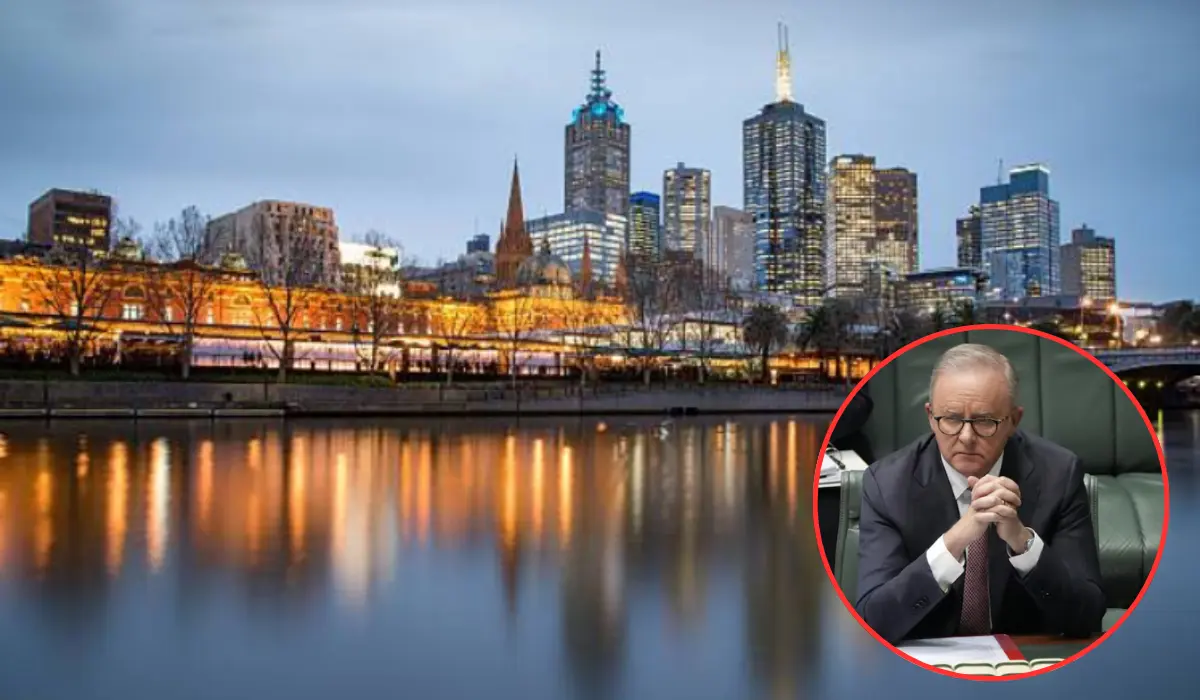
As reported by political correspondents tracking federal politics, financial markets have priced in a greater than 80 per cent chance that the Reserve Bank of Australia will raise the cash rate to 4.85 per cent—a peak not recorded since the 2008 global financial crisis.
While international drivers such as global conflicts, energy sector volatility, and the expansion of artificial intelligence infrastructure continue to push up baseline inflation, voter tolerance for international explanations is weakening. Australian households absorb the direct costs of elevated mortgage repayments and living expenses, generating heightened expectations for direct domestic solutions rather than global contextualizations.
Concurrently, the tight caucus discipline that characterized the Albanese government’s initial years in office has begun to fray. Following a series of post-budget backdowns, administrative process errors, and inadequate consultation periods, numerous Labor backbenchers have voiced private frustration over defending decisions they had minimal input in formulating. Anonymous internal criticism has reached notable levels, with MPs citing a lack of clear strategic direction to curb persistent inflation.
How Are Jim Chalmers and Anthony Albanese Managing Fiscal Responsibility Ahead of MYEFO?
As public and political focus shifts toward spending reductions to support the RBA’s inflation fight, the upcoming Mid-Year Economic and Fiscal Outlook (MYEFO) scheduled for December has become a critical milestone for the government’s economic agenda.
While previous relief measures focused on direct energy rebates and temporary fuel excise reductions, political debate has shifted squarely to government expenditure cuts. When questioned on whether the December MYEFO update would yield a net reduction in government spending, Treasurer Jim Chalmers highlighted that net policy decisions made in the latest budget and preceding MYEFO provided a positive fiscal contribution over the four-year forward estimates.
However, economic analysts point out that for the current and prior financial years, policy decisions in those two updates added approximately $14 billion to short-term net government spending. Consequently, a growing number of Labor MPs are advocating for structural changes in the upcoming MYEFO, specifically requesting:
- Targeted Net Savings: Reining in short-term net outlay commitments to directly reduce demand-side economic pressures.
- Expanded Means Testing: Restricting baseline eligibility for government assistance programs to ensure spending remains targeted.
- Expenditure Review Committee Realignment: Clear alignment between the Prime Minister and Treasurer on final spending cut approvals.
The distribution of responsibility between senior leaders has also caused friction. Senior government figures noted that the Prime Minister holds ultimate authority over the Expenditure Review Committee (ERC), where final budget parameters are finalized. In public remarks, Chalmers acknowledged taking personal responsibility for difficult budget measures while stating that secondary ministers and the Prime Minister retain discretion over how they articulate their respective roles in fiscal decisions.
Why Is Prime Minister Anthony Albanese’s CHOGM Trip Attracting Criticism?
The timing of the Reserve Bank’s rate decision coincides with Prime Minister Anthony Albanese’s departure to the Caribbean to participate in the Commonwealth Heads of Government Meeting (CHOGM).
The optics of the Prime Minister’s overseas travel during an expected domestic rate increase have drawn sharp criticism from the Coalition Opposition, which utilized Parliamentary Question Time to focus on the Prime Minister’s absence during a difficult economic week. Labor colleagues have also expressed quiet concern regarding the timing, given that international summit commitments will require Albanese to be abroad for nearly four of the next seven weeks.
Defending the overseas schedule, government representatives confirmed that Albanese’s attendance at CHOGM followed a direct invitation from King Charles III. During the summit, the Prime Minister is scheduled to hold bilateral meetings with UK Prime Minister Andy Burnham and Canadian Prime Minister Mark Carney. Government strategists express hope that voters will recognize the necessity of international diplomatic engagement, particularly given that a significant portion of domestic inflationary pressures originate overseas.
Background of Reserve Bank Rate Decisions and Australian Inflation Trends
The current economic friction facing the Albanese government follows an extended cycle of monetary tightening by the Reserve Bank of Australia aimed at containing persistent post-pandemic inflation.
Between May 2022 and late 2023, the RBA initiated one of the fastest rate-hiking cycles in modern Australian history, lifting the official cash rate from a historic low of 0.1 per cent to over 4 per cent. While monetary policy successfully slowed consumer demand in specific discretionary sectors, underlying inflation—driven by sticky service costs, housing shortages, energy prices, and global supply chain shifts—remained above the central bank’s target band of 2 to 3 per cent.
The political interplay between fiscal policy (federal budget spending) and monetary policy (RBA interest rate settings) has remained a central debate in Australian economic management. While the government emphasized headline inflation reductions achieved through targeted subsidies, independent economists and central bank officials have repeatedly noted that elevated aggregate public expenditure can counteract monetary tightening, prolonging high interest rate settings.
Prediction: How Will This Economic Backlash Affect Household Budgets and Federal Labor’s Standing?
The expected Melbourne Cup Day rate rise and the subsequent MYEFO fiscal update carry significant financial and political implications for Australian households, business sectors, and the federal government.
For Australian mortgage holders and small businesses, a cash rate increase to 4.85 per cent will translate into immediate increases in monthly variable home loan repayments and commercial borrowing costs. With household savings buffers largely depleted following years of elevated living costs, mortgage stress will likely spread deeper into middle-income suburban electorates, leading to further contraction in household discretionary spending and retail sector activity.
For the Albanese government and the Labor caucus, the political margin for error will narrow significantly heading into the next federal election cycle. If the December MYEFO update fails to demonstrate definitive net expenditure reductions, the Opposition will likely intensify its campaign framing Labor’s fiscal management as directly responsible for prolonged central bank tightening. Internally, persistent cost-of-living pressures will compel backbench MPs in vulnerable suburban seats to demand more aggressive, localized policy interventions, testing party unity and leadership authority over the coming fiscal year.